Personalised books about feelings, fears and confidence: choosing the right story
A personalised book can help a child face a fear, build confidence or put a feeling into words, because they watch a hero with their own face get through it. It starts a conversation; it is not a treatment. At Heroica you choose the lesson, such as Courage, Believing in yourself or Perseverance, or describe your own, and the story is written for the child’s age.
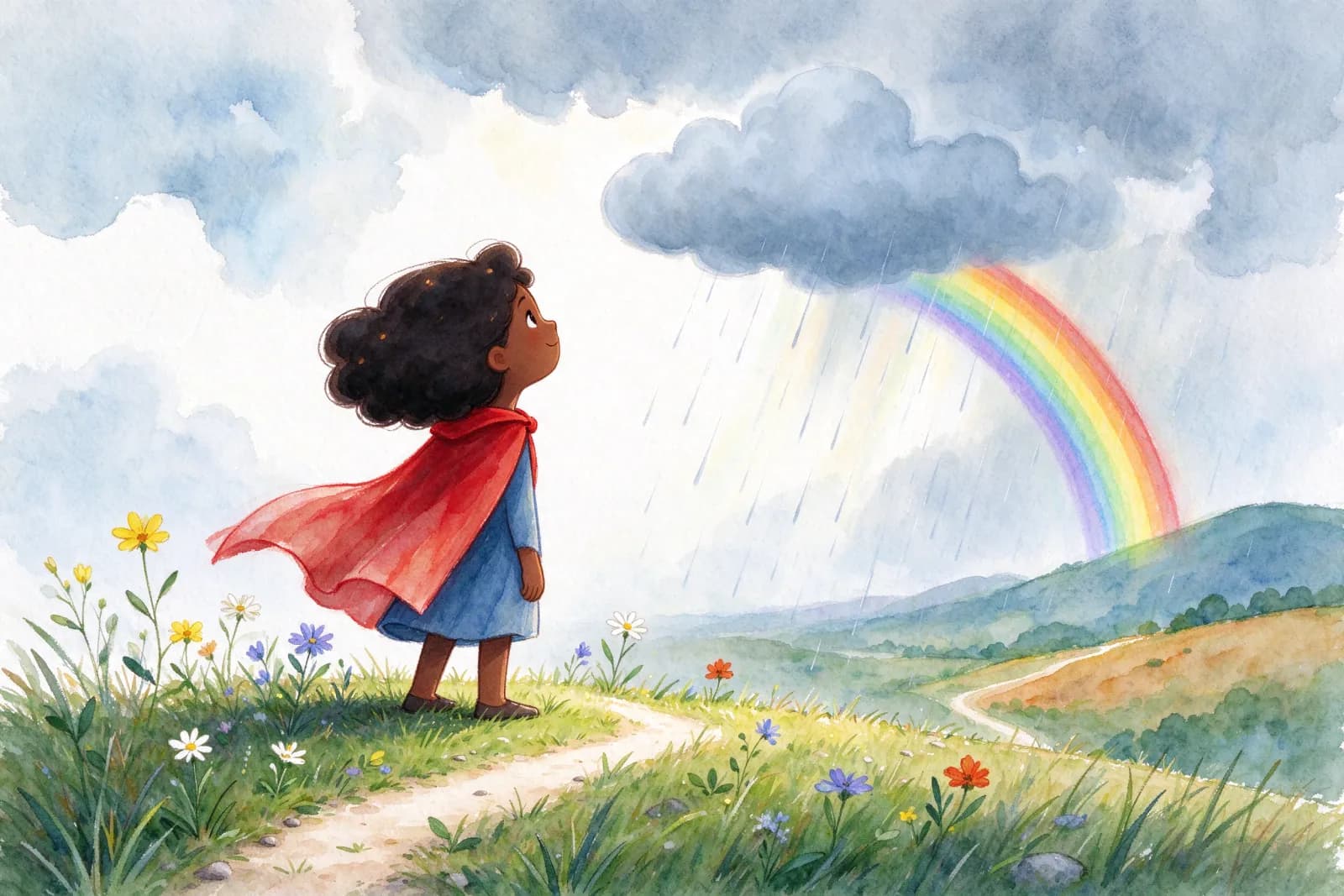
Can a personalised book help with confidence, fears and feelings?
It can help as support. Seeing a hero with their own face feel scared and still try gives a child a rehearsal and a shared language (“remember the castle?”). It does not treat anxiety, and it works best read with an adult who listens.
Stories let a child look at a worry from a safe distance: it is the hero who is frightened, so it is easier to talk about. The NHS suggests books and films to help children understand their feelings after upsetting events, and the Reading Agency’s Reading Well for children list, chosen with health professionals for ages 7 to 11, covers worries, feelings, self-esteem and bullying, with books you can borrow from public libraries. A personalised story adds one thing those books cannot: the child is the one who copes.
Real reviews
What families say
Written by families who bought a book, and published with their permission.
- Book style3D animation
5 out of 5 stars
We all loved it
Caio Sergio’s grandmaVerified purchaseTranslated from Portuguese - Book styleAnime
5 out of 5 stars
I haven’t given it to him yet, it’s for Christmas, but I thought it was really beautiful
Lukas’s grandmaVerified purchaseTranslated from Portuguese - Book style3D animation
4 out of 5 stars
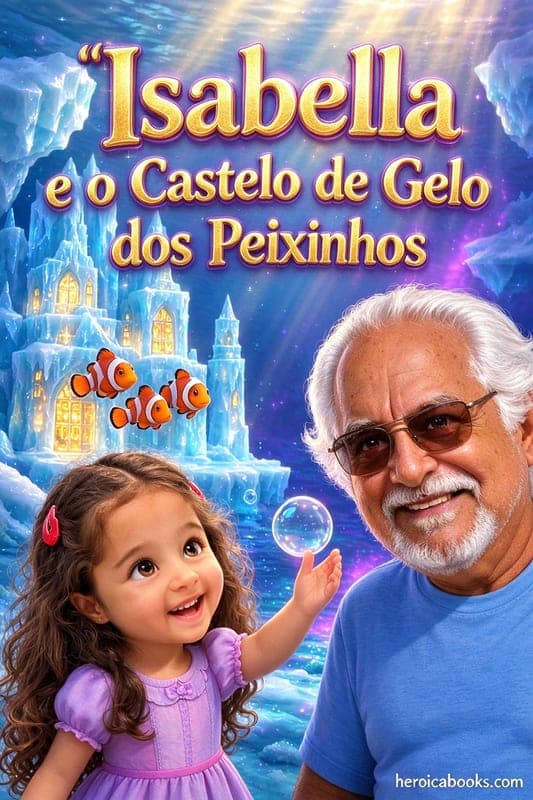
The first time, we had to read it three times. She loved it!
Mauricio, Isabella’s grandpaVerified purchaseTranslated from Portuguese - Book styleAnime
5 out of 5 stars
really lovely, I want to print it and give it to her as a present
Sophia’s auntVerified purchaseTranslated from Portuguese - Book style3D animation
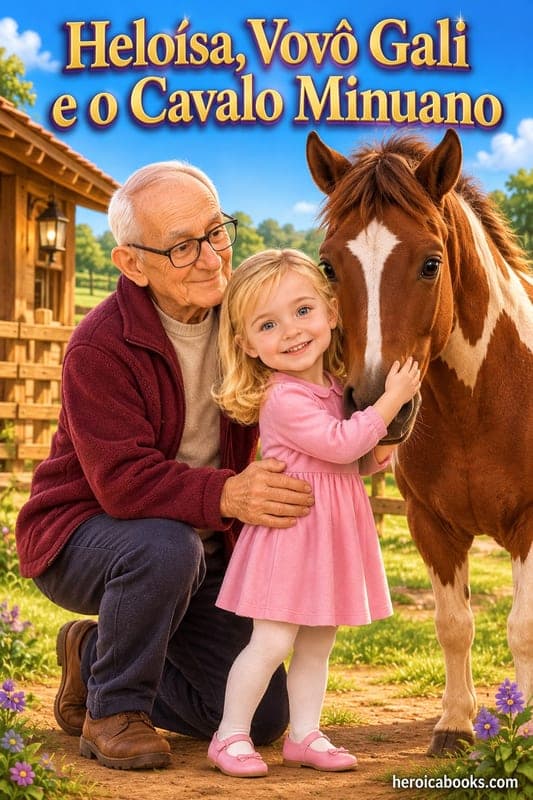
5 out of 5 stars
I thought it was beautiful and easy to edit. I recommend it
CarolineVerified purchaseTranslated from Portuguese - Book style3D animation
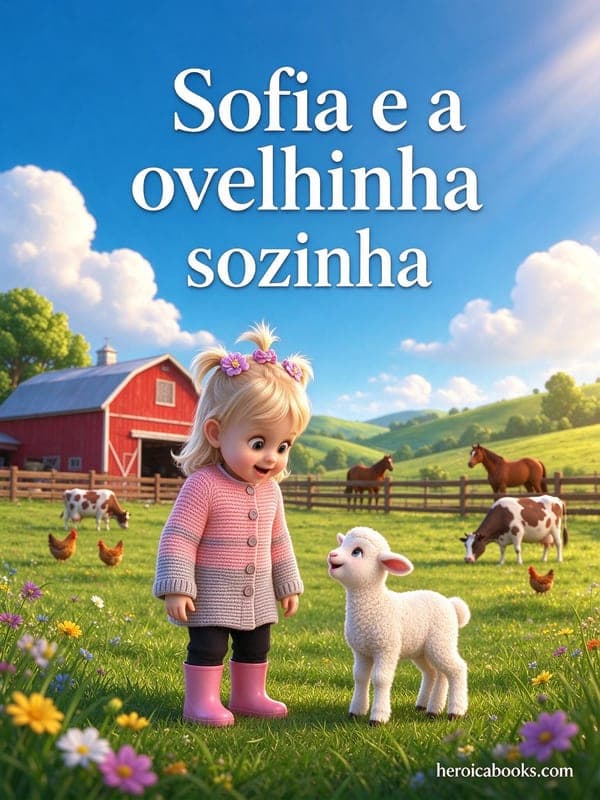
5 out of 5 stars
Sofia loved the little story. She always asks to have it again. It turned out really well. Thank you
Sofia’s godmotherVerified purchaseTranslated from Portuguese - Book styleWatercolour
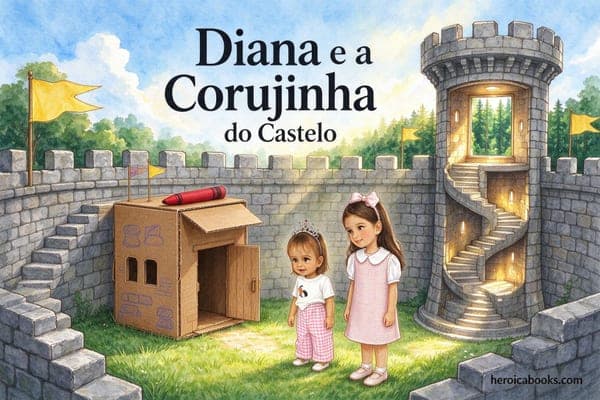
4 out of 5 stars
I loved this story! Every page a lovely surprise. What I really liked was the respect for the originality of the photos, truly keeping the same figure, the same real features. I loved it! In fact, I liked it so much that I’m going to make another one for another granddaughter 😍! Highly recommend! Congratulations to the maker(s)!
Stephanie, Diana’s grandmaVerified purchaseTranslated from Portuguese - Book styleWatercolour
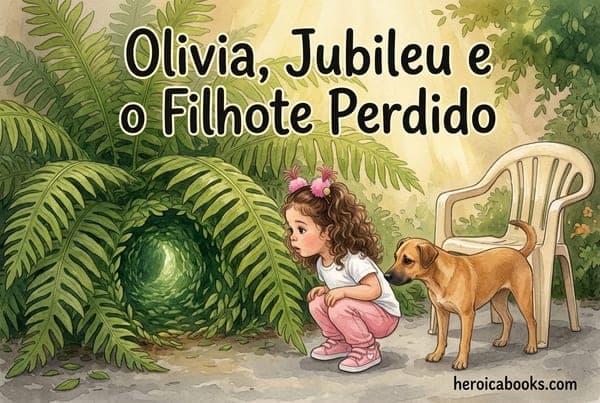
5 out of 5 stars
Great choice, I had even ordered from two other providers but had to cancel right after paying because they didn’t deliver what they promised.
João Antonio, Olivia’s grandadVerified purchaseTranslated from Portuguese

Which lesson should you choose for each situation?
Match the lesson to what is happening now. Courage or Sleeping alone for night-time fears, Friendship for a new class, Believing in yourself for “I can’t”, Perseverance for giving up quickly, Respecting difference for teasing. Anything else goes under “Other”.
| What is happening | Lesson | Theme idea |
|---|---|---|
| Afraid of the dark or of sleeping in their own room | Sleeping alone or Courage | Outer space: a night watch on the Moon |
| Shy at a new school or nursery | Friendship | Castle: the new squire who finds a friend |
| Says “I can’t do it” before trying | Believing in yourself | Outer space: piloting the rocket nobody else could |
| Gives up quickly on puzzles, a bike or reading | Perseverance | Dinosaurs: a fossil dig that takes many tries |
| Teased for being different, or unsure about a classmate who is | Respecting difference | Circus: a show where every act is different |
| Jealous of a new baby | A new sibling | Enchanted forest: the big sister of a baby dragon |
| Big anger or frustration | Other: “calming down when I feel angry” | Under the sea: the storm that settles |
| Worried about a move or a big change | Other: “feeling at home in a new place” | Other: a new island to explore |
For night-time fears, our personalised bedtime story guide goes further; for jealousy, see the new sibling guide.
Which fears and worries are common at each age?
According to the NHS, separation anxiety is very common up to about 2 or 3; pre-school children often fear animals, storms, heights, water or the dark, fears that usually fade on their own; school-age children worry about new schools and tests.
| Age | What often appears | Story angle |
|---|---|---|
| 2–3 | Being apart from a parent; loud noises | A short adventure where the child goes and comes back safely |
| 4–6 | The dark, animals, storms, imaginary monsters | The hero meets the “monster” and finds it is friendly |
| 6–9 | A new school, getting things wrong, being laughed at | A mission where mistakes are part of the plan |
| 9–12 | Tests, friendships, fitting in | A longer story where the hero leads a team despite doubts |
Ages are a guide: every child is different. The NHS advises listening to the worry rather than dismissing it, and keeping routines steady.
How do you describe the situation without labelling the child?
Describe the situation and the goal, not a trait. “Learning that mistakes help you get better” works; “a story for a child who cries too much” does not. Keep the ending hopeful, and let the hero be scared and brave at the same time.
- Name the moment, not the child: “joining a game at break time” instead of “shy”.
- Keep real details small: the landing light, the school gate, the swimming pool. Leave out the hard memory itself.
- Make the hero try, not be perfect: the story is more believable when the first attempt fails.
- For 9–12, ask the child: older children often describe the lesson better than we do, and they notice when a book lectures them.
- Examples for “Other”: “it’s OK to lose a game”, “saying how I feel instead of shouting”, “asking for help”, “being proud of who I am”.
What does a courage story look like? An example
The hero feels the fear, doesn’t pretend it has gone, and does one small, concrete thing anyway. When the hero is the child, that step happens on their own landing, with their own teddy and words, so it becomes something they can repeat in real life.
- Name and face: the one afraid in the dark is Ava herself, drawn from her photo, not a generic bunny; she recognises herself on the page.
- Details from home: the landing light, the dressing gown on its hook, the real toy rabbit added in the Friends step. You describe them; the story uses them.
- A move to repeat: the three breaths and the “thump-thump” become family words: “Remember Ava and Bunny?”
- The fear is allowed: she is still a little scared at the end. The story doesn’t promise the fear will vanish; it shows she can act with it.
In a generic story the same scene happens to someone else and the child watches. Here, they rehearse it. Heroica writes for the age you enter, so sentence length and tone change with the child, and the free preview shows the text of the first page of your own book before you pay.
How do you read it together so it actually helps?
Choose a calm moment, not the middle of a meltdown. Read it through once for fun, then come back to the key page and ask what the hero felt and what they did next. Use the story’s words later: “like in your book, three slow breaths”.
- Read it first as an adventure, without explaining the lesson.
- On a second reading, pause where the hero is scared and ask: “What would you do?”
- Name the feeling together: worried, cross, proud, embarrassed.
- Link it to real life only lightly: “You were brave like that at swimming.”
- Leave it within reach; children often reread the page they need.
The NHS suggests simple tools such as three slow breaths, and planning ahead for changes; the story can show the hero doing exactly that. More on why reading a story with their own name holds attention in our guide to the benefits of personalised books.
Can a teddy, a pet or a grown-up be the brave sidekick?
Yes. In the optional Friends step you can add one companion with a photo: a person, a pet or a special object. For a fearful child, a familiar sidekick (the comfort blanket, the dog, Grandma) makes the brave moment feel safer.
- Comfort object: the teddy or blanket that already helps at night, now helping in the story too.
- Pet: the dog who walks beside the child into the dark forest.
- A grown-up: the grandparent the child misses, or the parent who will be at the school gate.
The child stays the hero: the companion helps, but the child makes the brave choice. Photos of companions follow the same privacy rule as the child’s: deleted 7 days after the book’s last milestone.
When is a book not enough?
When a fear or worry is severe, lasts and gets in the way of everyday life (school, sleep, eating, friends), the NHS says seeing a GP is a good place to start. The school nurse can help too. A story can sit alongside that help, never replace it.
- Talk to your GP if the fear or worry is severe, keeps going and gets in the way of everyday life: school, sleep, eating or friends. The NHS calls a GP visit a good place to start.
- Tell the school too if it is affecting school life; the school nurse can also help.
- Get urgent help if you are ever worried about your child’s immediate safety.
What do you receive, and can you adjust the tone?
A digital book of 12, 18 or 24 pages with an online reader, a PDF and an EPUB, for a one-off payment. After delivery, each book comes with 10 adjustments, so a scene that feels too scary or too preachy can be rewritten.
| Pages | Price | Often a good fit for |
|---|---|---|
| 12 | Ages 2–4, or one clear moment such as bedtime | |
| 18 | Ages 4–8 | |
| 24 | Ages 7–12, or a longer story about a big change |
In the book editor, correcting the text or the dedication is free; rewriting a passage uses 1 adjustment per page, and a different story uses 5. The True Likeness Guarantee redraws the child’s appearance at no cost. If the book still isn’t right after the adjustments and our team’s review, you can ask for your money back within 7 days of delivery.
- Before you pay: the free preview shows the title, the cover and the text of the first page. Check the tone: if the first page already feels too scary or too preachy, change how you describe the lesson before buying.
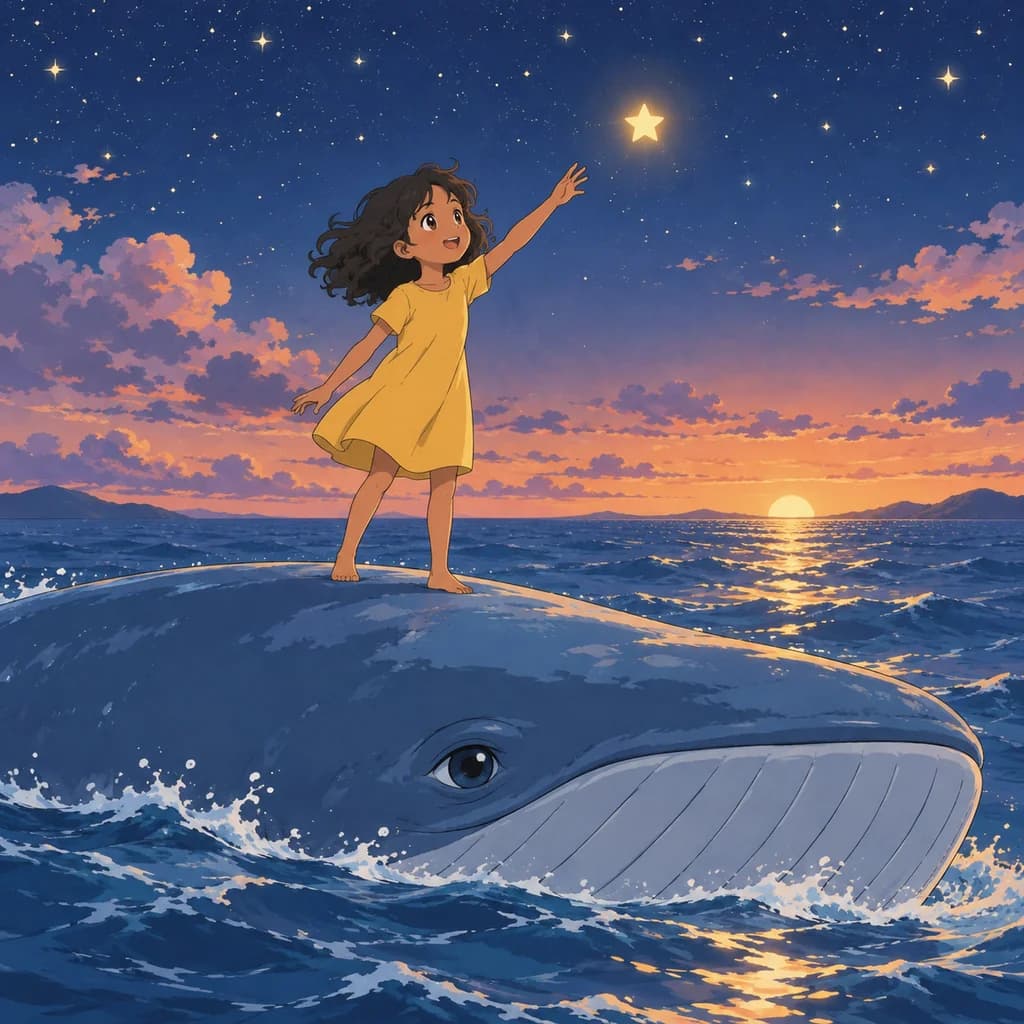
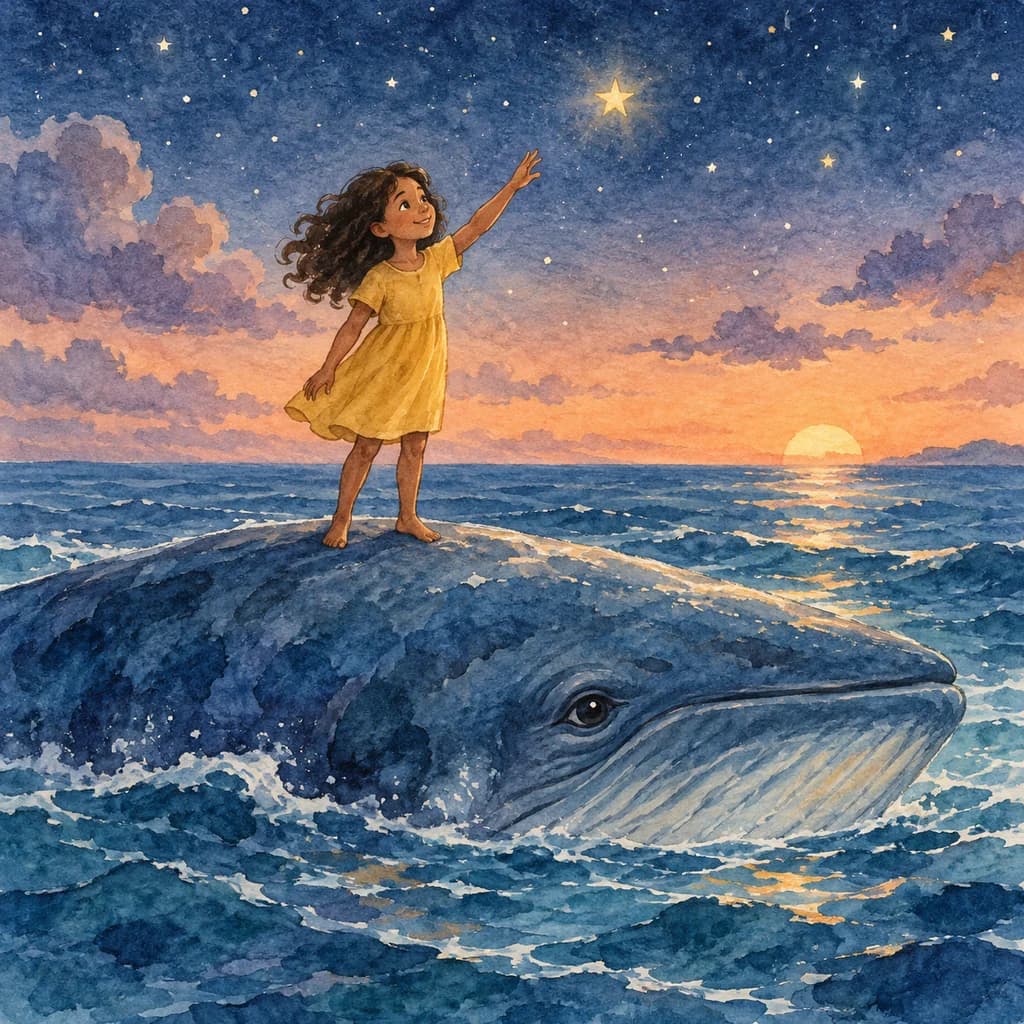
- A narrated sample: on the home page you can play a short narrated extract, Sofia crossing a starry sky on a blue whale, to hear the pace of a story read aloud. The audiobook is not included with the book.
- About the picture at the top: the open pages are Theo’s (The moon dragon), illustrated with Heroica for an example book; the photo is illustrative, and the book you receive is digital, with no printed edition.
Frequently asked questions
Can a personalised book replace therapy for an anxious child?
No. It can support conversations at home, but if anxiety is severe or lasting, talk to your GP. The NHS also suggests involving the school when schoolwork is affected.
My child hates being the centre of attention. Is a book starring them a good idea?
Often yes, read privately rather than shown off. Choose a theme where the hero is part of a team and add a familiar sidekick in the Friends step; let the child decide who sees it.
Can I write my own lesson, such as “it’s OK to lose a game”?
Yes. Choose “Other” in the lesson step and describe it in a sentence. The story is written around it, for the age you entered.
Will the story name my child’s problem directly?
It follows the lesson you choose or describe, so you decide how direct it is. Describe the goal (“making a friend”) rather than the problem, and check the text of the preview’s first page.
Can a story help after a loss, such as a pet dying?
You can describe a gentle lesson such as “remembering someone we love”. Read the preview first, and if your child is struggling after a loss, the NHS advises talking to your GP.
Can siblings share one book about feelings?
Each Heroica book has one child as the hero. For two children, create one book each with their own photo; one can be the other’s companion if you add them in the Friends step.
Sources
- Anxiety in children. NHS
- Reading Well for children. The Reading Agency
See your child as the hero — free
Create a free preview with the cover and the text of the first page. No account, no card — you only pay if you like what you see.
Create the free preview
Keep reading
Personalised bedtime stories: helping children sleep (and sleep alone)
Yes, a personalised bedtime story can help your child sleep in their own bed. What Heroica’s book includes, price, free preview, routine and tips by age.
Read the guideA personalised book to prepare your child for a new sibling
Yes, a personalised book can prepare your child for a new sibling. What Heroica’s book includes, price, free preview, when to read it and tips by age.
Read the guideDo personalised books really help children? What the research says
Do personalised books help children read and feel confident? What research says on engagement, confidence, word learning, its limits and reading tips.
Read the guidePersonalised books by age: what works from 2 to 12
How to choose a personalised children's book by age: text per page, vocabulary, themes, pictures and whether 12, 18 or 24 pages suits a child aged 2 to 12.
Read the guide